
If you were going to open up a shop, what would you sell?
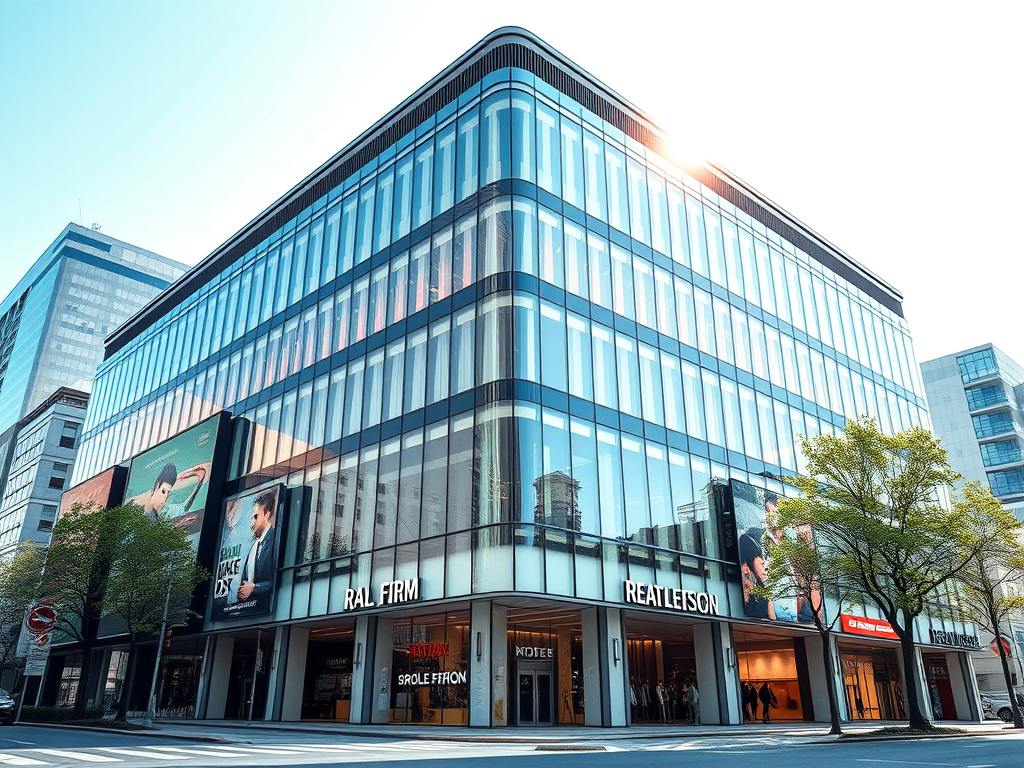
Opening up a shop either physical or digital has always been one of my goals because I love to engage in all kinds of businesses whether it involves buying and selling, production, training or carrying out services. In-fact I don’t just aim to open up a shop because I believe it is too small to contain my enterprise’s potentials, I aim to open up big companies, factories, accommodative facilities, learning centers, among many others. This is because I am an adventurous person who loves to take advantage of every opportunity that comes knocking. Serving people with integrity and doing stuffs that amazes others, capturing attentions and leaving people craving more.
My enterprise’s mission is not just focused on a particular area, rather it encompasses different aspects of productivities such as software engineering, real estate, architecture, fashion & graphic designing, trading and marketing & commercials. In each of these areas, I work hard to achieve the goal of my objectives by putting in extra efforts in my activities. Always, I look out for the possibility of improving myself and making sure that it benefits everyone in my circle in order to ensure that our enterprise stands out.
As a research specialist, I love to explore the unknown with open mindedness, learning and discovering new ways of development in the process. I believe that there are many things to be discovered than what is already known, so I don’t just think within my circle but instead I think beyond the familiar. This approach has really benefited me and helped me to gain more insights into what needs to be done to achieve greater successes.
Before deciding what to start selling in a shop, it is important to evaluate key factors that will influence the success of the business. One of the most crucial considerations is market demand, which involves researching and understanding the needs and preferences of the target customers. A product that aligns with customer interests is more likely to attract steady sales, while one with little demand can lead to losses regardless of how unique it appears. In today’s economy, demand spans across various industries. In software, items like productivity apps, graphic design tools, and cybersecurity solutions are highly sought after. In fashion and graphic design, trending clothing lines, custom prints, and branded merchandise have strong market appeal. Within real estate and architecture, 3D design software, home décor, and property marketing materials are key drivers of sales. Another important step is competition analysis studying existing businesses that offer similar products, their pricing, and marketing strategies. This helps in identifying ways to stand out, such as offering better quality, unique branding, or improved customer service. Additionally, assessing the profit margin is essential to ensure that the difference between the buying cost and selling price is high enough to cover expenses and allow for business growth.
Other equally important factors include supplier reliability and trends versus longevity. Reliable suppliers ensure consistent product quality and timely deliveries, which are vital for maintaining customer satisfaction and avoiding stock shortages. Building strong supplier relationships can help in securing better deals and uninterrupted operations. It is also wise to consider whether a product is just a passing trend or something with long-term market potential. For example, in construction, popular items include quality building materials, safety equipment, and energy-efficient fixtures. In trading, fast-moving consumer goods, electronics, and raw materials have strong market turnover. In marketing and commercials, essential products and services range from digital ad design templates to video production tools. While trendy products can boost short-term profits, staple items like basic software licenses, everyday apparel, and essential construction materials provide a steady income base. Balancing these considerations, while aligning them with industry-specific demand, can significantly increase the chances of launching and sustaining a profitable shop.
Additionally, selling research papers and academic reports can be a profitable addition to a shop, targeting students, professionals, and organizations needing credible information. Offerings may include essays, dissertations, feasibility studies, and market analyses, with a focus on originality, accuracy, and niche topics. This can attract repeat clients and provide a steady income stream.
In conclusion, choosing what to sell in a shop requires balancing demand, competition, profitability, supplier reliability, and long-term viability. From software tools and fashion items to real estate resources, construction materials, trading goods, marketing services, and research papers, the focus should be on meeting customer needs with quality and consistency. Diversifying between trending products and staple goods ensures competitiveness, adaptability, and profitability in both local and global markets.
I would like to sincerely thank all readers and viewers for taking the time to go through my responses on what to sell in a shop. Your interest, attention, and engagement mean a great deal to me. I truly appreciate the opportunity to share my ideas, and I hope they provide value, spark new perspectives, and inspire business corporations. Thank you for being part of this journey.

Leave a comment