
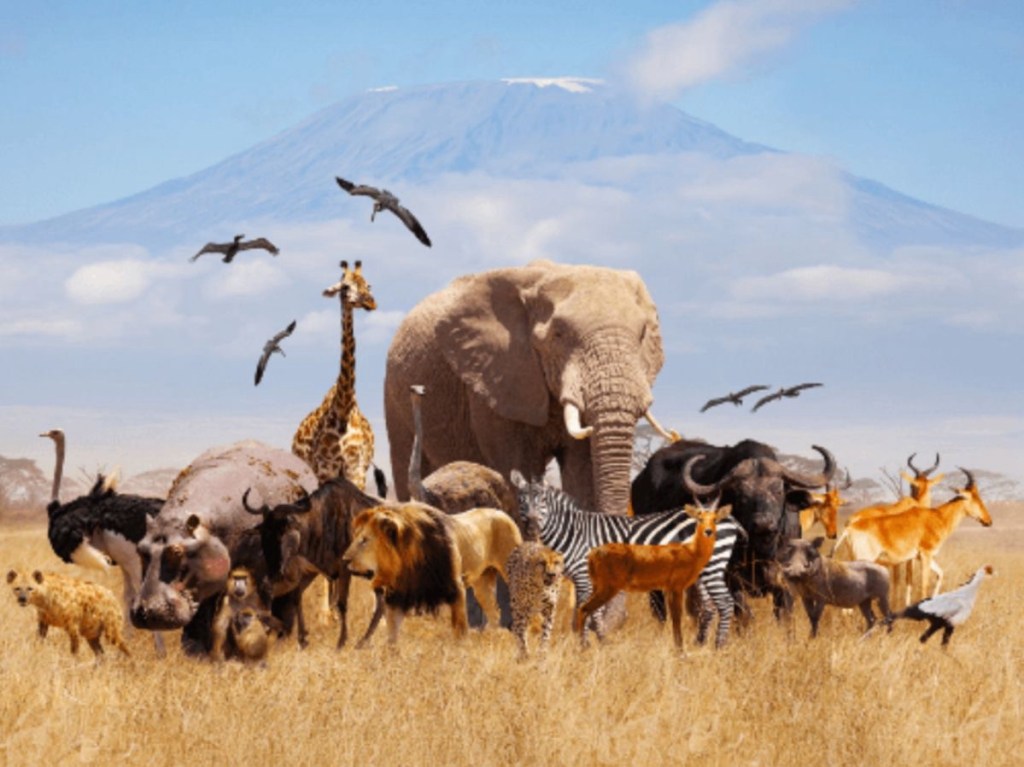
A Journey Through Wildlife Experiences and Human Reflection.
Do you ever see wild animals?
Introduction
Wild animals are creatures that live and flourish in natural environments without human domestication or supervision. They inhabit forests, savannahs, deserts, wetlands, oceans and even the quiet pockets of nature that exist within our communities. From tiny insects to giant mammals, these animals form the backbone of ecological balance, reminding us that the world is shared and not owned.
Understanding where they live, how they behave and how they perceive us deepens our respect for the natural world and enriches our awareness of our role within it.
Seeing Wild Animals: Types, Landscapes and Habitats
Wildlife comes in many forms, each perfectly fitted to its habitat:
• Mammals: antelopes, elephants, monkeys and wild cats found in forests, savannahs and grasslands.
• Birds: eagles, parrots, owls and community dwelling species found in trees, wetlands and coastal edges.
• Reptiles: snakes, lizards and crocodiles living in warm bushlands, marshes and riverbanks.
• Marine and freshwater species: creatures that live in oceans, lakes and rivers, forming entire ecosystems beneath the surface.
• Wild insects: mosquitoes, bees, ants, butterflies and many others living across grasslands, stagnant waters, decaying plants and open fields.
• Wild worms: organisms that thrive in soils, moist terrains and organic matter, quietly sustaining soil health and nutrient cycles.
These creatures, whether fierce or gentle, small or large, maintain the essential balance of the natural world.
My Experiences in Wildlife Spaces
I have encountered many different kinds of wild animals during visits to Mole National Park, Kakum National Park and various zoos across Ghana. These locations provide glimpses into the beauty, diversity and majestic presence of wildlife, from roaming mammals to vibrant birds and elusive reptiles.
However, outside these designated environments, the wild animal I have personally seen the most is the snake, a common sight in bushy surroundings and natural settings across many communities. Its presence often reminds us how close we live to the hidden rhythms of nature.
Beyond snakes, I also encounter wild insects and worms almost daily. Mosquitoes, ants, bees, butterflies and earthworms live with us in our homes, gardens, farms and outdoor spaces. Although small, they play important roles in pollination, decomposition, soil nourishment and ecological balance.
Wild Animals and Humans: A Two Way Perception
The relationship between humans and wild animals is shaped by survival instincts, curiosity and history.
• How wild animals perceive humans: To them, we are unpredictable beings and potential threats they must avoid. Their instinct is to flee, hide or defend themselves.
• How humans perceive wild animals: We respond with a mixture of fear, fascination, respect or domination. Our curiosity has often led to practices like keeping wild animals as pets or confining them in zoos, which raises important ethical questions.
Coexistence requires wisdom. Protection demands humility. Understanding invites responsibility.
Reflecting on Wildlife Ethics
While national parks help protect endangered species and educate communities, I remain strongly against the idea of confining wild animals in zoos purely for human entertainment. Also, keeping wild animals as pets or exposing them to densely populated areas increases risks for both humans and the animals themselves. These concerns call for deeper reflection on how we interact with the wild.
Summary
Wild animals, whether large, small, near or distant, are essential parts of our shared ecosystem. From snakes in our communities to insects and worms living around us, and from the majestic creatures of Mole and Kakum National Parks, each species plays a unique role in sustaining life. The more we understand and respect these beings, the more responsibly we can live on this earth.
Thank you to this platform for providing a space to share reflections that strengthen our connection with nature and deepen public understanding. And thank you to every reader engaging with this conversation. Your interest and presence help keep the discussion on wildlife, ethics and coexistence alive.
#godemarsempire | @aikinannu


Leave a comment